
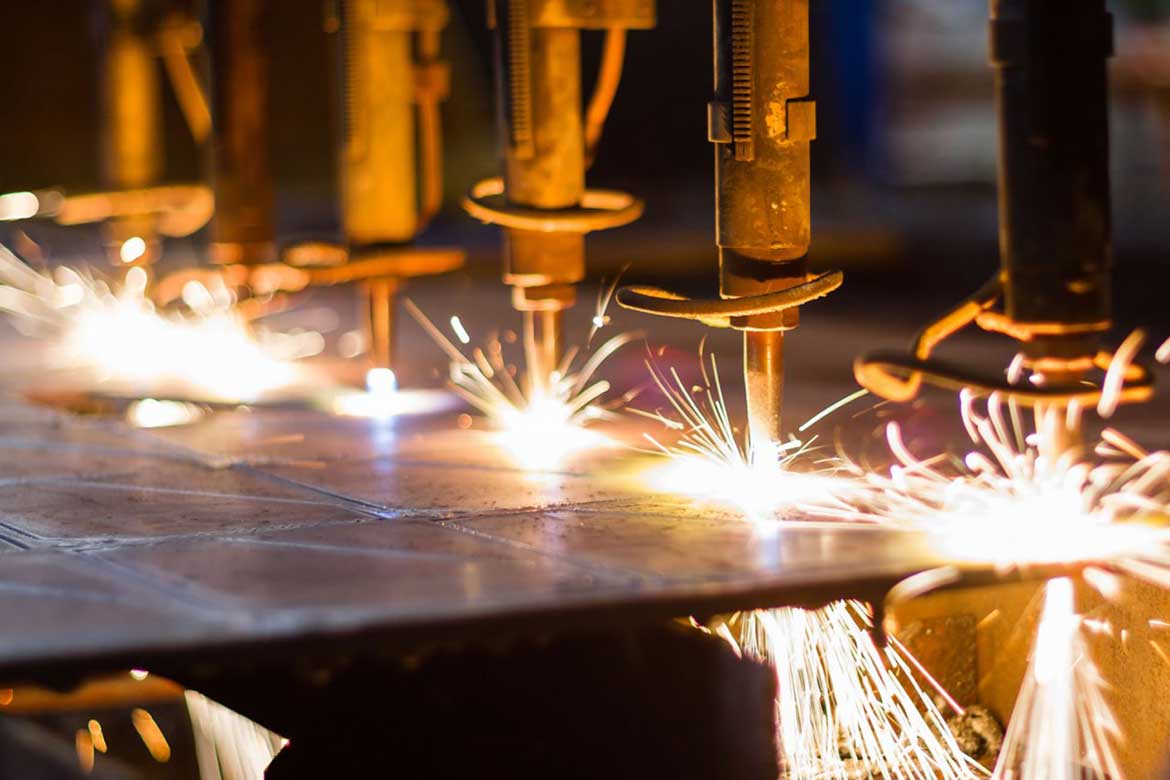
Welding rotators support and rotate cylindrical jobs so a fixed or travelling torch can follow a circular seam. Selection depends on the complete workpiece, diameter range, weight distribution, shell condition, required rotation and how the welding equipment will be positioned.
Define the cylindrical workpiece
Record minimum and maximum diameter, length, total mass and centre of gravity. Note shell thickness, surface condition, external attachments and whether the job remains cylindrical under its own weight. These details affect support and drive decisions.
- Diameter, length and fully assembled mass
- Load distribution and centre of gravity
- Shell surface and allowable contact areas
- Loading method and support-point constraints
Plan circular and longitudinal seams together
For circular seams, the rotator controls workpiece motion while the torch is aligned with the joint. Longitudinal seams may use a column and boom manipulator or another travel arrangement. Review the long-seam system guide when both seam types exist on the same tank or vessel.
- Seam type and joint position
- Welding process and required motion stability
- Torch support, tracking and cable routing
- Synchronization and operator control
Compare alternative workpiece supports
A long part with defined end supports may call for a head-and-tail-stock welding manipulator, while a large fabricated assembly may need a roll-over positioner. The fixture and loading strategy should be decided from the component rather than the keyword used to find the equipment.
- Required support and restraint
- Access to every weld
- Safe loading and unloading
- Floor layout and future workpiece range
Buyer questions
Are rotators only for circular seams?
They are primarily used to support and rotate cylindrical work, but the complete welding arrangement may also include equipment for longitudinal seams.
What causes poor rotation stability?
Possible causes include unsuitable support geometry, load distribution, surface condition, alignment or an incorrect drive configuration; the actual system must be reviewed.
Related machines and technical resources
Discuss your application
Share the workpiece, process, production objective, available layout and safety requirements through the technical quote form. Sasha Weldcut will review the requirement before recommending a configuration.


5 Responses
This is a company in the field of construction, mechanical engineering, heavy industry with a long history and great achievements with jobs completed quickly and excellently.
I agree with you. Galozin is truly a company with excellent associates and employees in this field.
The company’s service is very good, fully meeting the requirements, enthusiastic support staff
FAQ: What should buyers check before selecting welding rotators?
Buyers should review job weight, diameter range, roller type, drive torque and speed control. Sasha Weldcut welding rotators support safer handling and smoother circumferential welding. For technical selection support, call 7418 717 083.